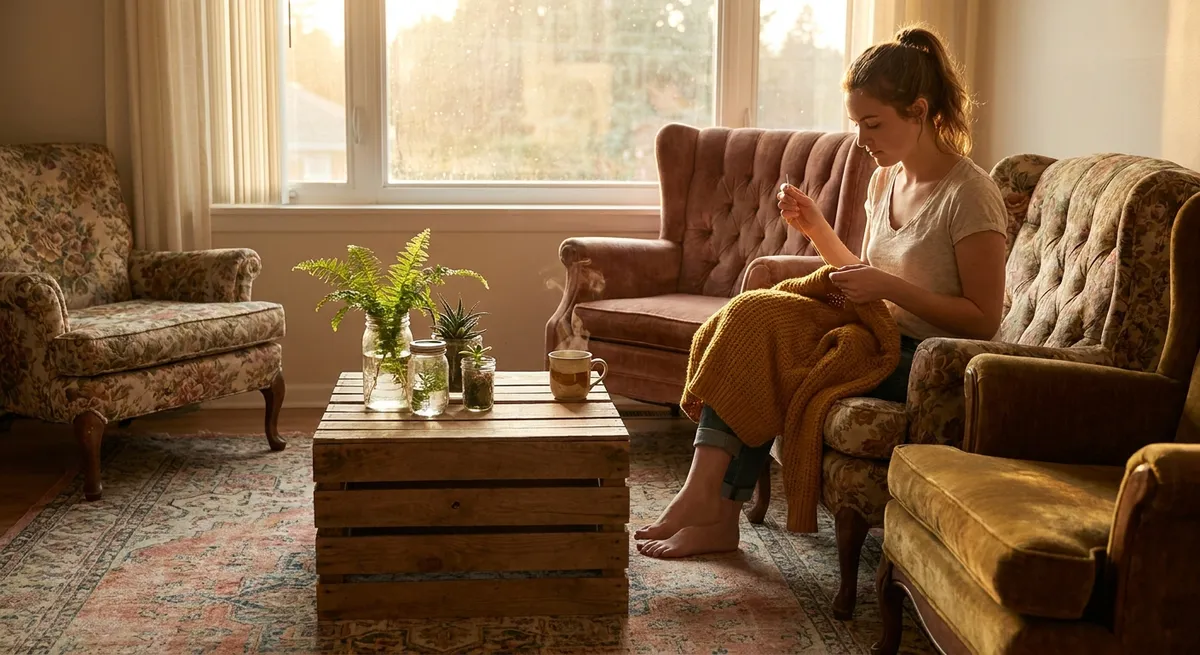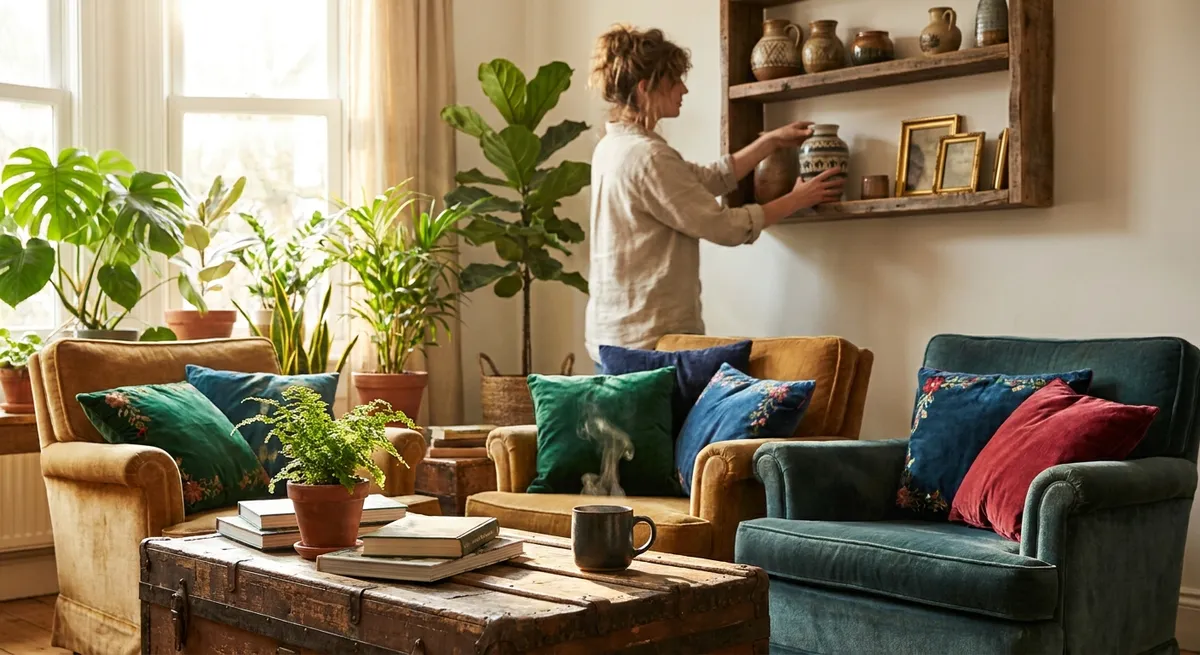
There’s a special kind of joy in finding a $6 treasure that looks like it cost $60. Thrifting and buying secondhand isn’t just about saving money—it’s about building a life that feels rich in stories, not receipts. At Centwise Nook, we’re all about that cozy, resourceful sweet spot: living well on less without feeling like you’re constantly saying “no” to yourself.
This guide will walk you through practical, time-respecting ways to save serious money with thrift and secondhand finds—plus smart substitutions, seasonal timing tips, and little hacks that make it all feel like a game you’re winning.
Why Thrifting Is a Lifestyle, Not a Sacrifice
Thrifting isn’t just about “cheap stuff”; it’s about smart allocation—spending less on what doesn’t need to be new so you can spend more on what truly matters to you.
A few real-world savings snapshots:
- Workwear blazer
- New at mid-range store: $80–$120
- Typically at thrift: $8–$20
- Realistic savings: $60–$100 per piece
- Children’s clothing (they outgrow everything!)
- New jeans: $15–$25
- Secondhand (thrift/consignment/online): $3–$8
- Savings per pair: $10–$17—multiply that by 5–10 items per season.
- Basic dishes and glassware
- New 4-pack of glasses: $12–$25
- Thrift store: $0.49–$1.99 each
- Savings: often 50–70% for items that live in your cabinet anyway.
Instead of thinking “I can’t afford new,” try “I’m choosing not to overpay for something that looks and works the same.” That mindset shift makes secondhand feel empowering, not restrictive.
What to Buy Secondhand (and What to Skip)
You don’t have to buy everything used. Focus on high-win categories where secondhand value is strongest and hygiene/safety are easy to manage.
Best Bets for Secondhand
1. Clothing & Accessories
- Jeans & trousers: Often $5–$10 secondhand vs. $40–$70 new.
- Blazers, coats, and jackets: Huge savings here—$10–$25 secondhand vs. $80–$200+ new.
- Bags, scarves, belts: Easy to sanitize, often lightly used or even new-with-tags.
2. Home Goods & Decor
- Picture frames, baskets, vases, candle holders: Commonly $1–$5 vs. $10–$30 new.
- Mugs & dishes: Look for non-chipped, non-cracked, and microwave-safe.
- Holiday décor: Wreaths, ornaments, table runners—often 70–90% cheaper off-season.
3. Kids’ Items
- Clothing, coats, and costumes: Kids wear some items only a few times.
- Books & board games: Usually under $3, sometimes under $1.
- Sports gear: Shin guards, cleats, practice wear—sanitize and inspect, then enjoy the savings.
4. Furniture
- Solid wood pieces: Coffee tables, dressers, side tables that can be sanded or painted.
- Shelving units & bookcases: Often $10–$40 instead of $60–$200 new.
- Dining chairs & side chairs: Great for mixing, matching, and reupholstering.
Use Caution or Skip
- Upholstered furniture (couches, mattresses): Risk of bed bugs or allergens; inspect carefully and only buy if you can thoroughly clean and feel confident in the source.
- Cribs, car seats, helmets: Safety standards change frequently and damage may be invisible—usually better new or from a trusted, recent source.
- Heavily worn non-stick cookware: Flaking coatings are a no.
Being selective makes secondhand shopping feel like a curated experience, not a compromise.
Smart Substitutions That Stretch Your Budget
A small mindset shift—“What’s the cheaper equivalent that still feels nice?”—can unlock big savings.
1. The “Dupe” Mentality
- Instead of a $200 designer blazer → Look for a well-cut $15–$25 thrifted blazer + $8 tailoring.
- Instead of $60 framed art → $5 thrifted frame + $4 digital art print (or a free printable).
- Instead of $40 brand-new baskets → $3–$6 thrifted baskets cleaned and restyled.
2. Staple Swaps That Add Up
- Workout clothes:
- New: $30–$80 per piece
- Secondhand (online resale): $10–$25
- Savings per item: $20–$50, and performance is usually the same.
- Event outfits (weddings, parties, interviews):
- New dress/suit: $80–$250
- Secondhand: $20–$70
- Or borrow from a friend for free and thrift accessories instead.
3. Cozy-Home-On-A-Budget Formula
Use this simple substitution rule when decorating:
- Spend less on: frames, mirrors, lamps, vases, side tables, rugs (if clean and odor-free).
- Spend more (or buy new) on: your mattress, pillows, and everyday cookware.
This combo keeps your home feeling cozy and cared-for while still protecting your budget.
Seasonal Thrifting: When to Shop for the Best Deals
Timing matters. Stores rotate stock and donations spike at certain times of the year, and you can quietly benefit.
Late Winter (January–February)
- People declutter after the holidays.
- Best for: winter coats, boots, kitchen gadgets, excess holiday décor.
- Pro tip: Shop for next winter—grab a $15 coat now that would be $120 new.
- Spring cleaning and pre-move purges.
- Best for: furniture, home organization items, kitchenware, spring jackets.
- Great time to: find books, decor, and unused gifts people are clearing out.
- Moving season + back-to-school prep.
- Best for: dorm essentials (lamps, dishes, rugs, storage), casual clothes, backpacks.
- Watch for: parents dropping off kids’ outgrown clothes and last year’s school items.
- Wardrobe changes, holiday prep starts.
- Best for: sweaters, boots, jackets, baking dishes, serving platters, fall décor.
- Tip: Start hunting holiday décor in October and winter wear in September for the best selection.
Early Spring (March–April)
Late Summer (July–August)
Fall (September–November)
If time is tight, choose two “thrift seasons” a year (e.g., early spring and early fall) and do focused runs instead of constant browsing.
Time-Saving Strategies for Busy Thrifters
You don’t have to spend hours digging through racks to get good deals. Build a simple system that respects your time and energy.
1. Make a Standing “Thrift List”
Keep a running list on your phone with 5–10 items you’re allowed to look for, such as:
- Black work pants (size X)
- 2–3 neutral frames for gallery wall
- Kids’ next-size-up jeans and pajamas
- Replacement mixing bowls
- Cozy throw blanket in earth tones
This prevents impulse buys and makes each visit focused and quick.
2. Set a Time and Budget
- Give yourself 30–45 minutes per trip.
- Set a spending cap (e.g., “I’m not going over $25 today”).
- Do a quick sweep of your priority sections only: tops, bottoms, home goods, books.
3. Use Online Secondhand Efficiently
- Filter by your size, brand, and color to avoid endless scrolling.
- Save searches (e.g., “women’s black blazer size 8”) and check once a week.
- Set a price limit: “Under $20” so you only see viable options.
Think of secondhand shopping as “targeted treasure hunting” instead of another to-do list item.
Tiny Hacks That Make Secondhand Feel Seamless
A few frugal habits can turn secondhand finds into a polished, cozy lifestyle.
1. Mini Cleaning Kit at Home
Keep a box or shelf with:
- White vinegar & baking soda (for deodorizing)
- Gentle detergent or castile soap
- Lint roller
- Magic eraser sponge
- Old toothbrush (for seams and hardware)
Most thrifted items need a quick clean, not a full project. Make it easy on yourself.
2. Easy Clothing Refresh Routine
When you get home:
- Sort clothing immediately: wash, line-dry delicates, spot-treat if needed.
- Use a steamer or hang in a steamy bathroom to release wrinkles and freshen fabrics.
- De-pill sweaters with a fabric shaver—suddenly they look almost new.
3. Quick Furniture Glow-Up
- Wipe surfaces with mild soap and water.
- Use wood polish or mineral oil on wood pieces to revive luster.
- For scratched dark wood: a matching furniture marker or even coffee/tea on a cotton swab can camouflage small scuffs.
Small touches transform “secondhand” into “charming vintage” in under an hour.
Realistic Ways to Track Your Wins (Without a Spreadsheet)
You don’t need a full accounting system to feel the impact. Try one of these low-effort methods:
1. The “Saved, Not Spent” Jar (Digital or Physical)
Each time you buy secondhand instead of new:
- Estimate the new price vs. what you paid.
- Transfer the difference into savings or a goals account (or jot it on a note and drop it in a jar).
- New jeans: $50
- Thrifted jeans: $8
- Move $42 into “Vacation” or “Emergency Fund” or “Treats” category.
Example:
Over a year, a handful of these choices can easily add up to $300–$1,000.
2. The “Treasure Log”
Keep a simple note in your phone:
- “$10 cast-iron skillet (retail ~$35)”
- “$15 kids’ winter coat (retail ~$60)”
- “$7 frames for gallery wall (retail ~$40)”
Review it every few months for a motivation boost and to remind yourself which categories are always worth thrifting first.
Building a Secondhand Circle: Swaps, Gifts, and Community
Thrifty living doesn’t have to be solitary. Bringing others into your secondhand life can make it more fun and less time-consuming.
1. Host a Clothing or Book Swap
- Invite a few friends or neighbors.
- Everyone brings 5–10 good-condition items they’re ready to pass on.
- Add a simple rule: “Take what you’ll truly use.”
You get “new” items for free, reduce clutter, and spend time with people you like.
2. Normalize Secondhand Gifts (Strategically)
Focus on items that feel special and intentional:
- Beautiful vintage mugs with good coffee or tea.
- Quality hardcover books with a thoughtful note inside.
- A lovely basket filled with thrifted cloth napkins and a homemade treat.
Secondhand gifting works best when the care is visible—clean, curated, and clearly chosen with the recipient in mind.
Conclusion
Living well on less isn’t about squeezing every joy out of your budget—it’s about changing where your money goes so you can say “yes” to more of what matters. Thrift and secondhand finds turn everyday purchases into small victories: a $5 sweater that feels like a hug, a $10 lamp that makes your reading chair glow, a $3 kids’ coat that frees up cash for a family day out.
Start small: choose one category (like workwear or home decor), one season, and one or two stores or apps. Let your secondhand habits grow slowly and comfortably. Over time, you’ll look around your home and closet and see not “hand-me-downs,” but a life thoughtfully assembled—cozy, intentional, and gloriously cent-wise.
Sources
- U.S. Bureau of Labor Statistics – Consumer Expenditures on Clothing – Data on average clothing and apparel spending, helpful for understanding how secondhand choices can reduce typical budgets
- Environmental Protection Agency (EPA) – Facts and Figures about Materials, Waste and Recycling – Textile waste statistics that highlight the environmental impact of buying secondhand
- Goodwill Industries – What to Donate and What Not To – Guidance on common secondhand items, quality standards, and what’s typically suitable for resale
- Consumer Product Safety Commission (CPSC) – Reselling Children’s Products – Safety information on secondhand children’s items like cribs, car seats, and toys
- Harvard Business Review – The Future of Secondhand Shopping – Overview of the growth and economics of the resale and thrift market